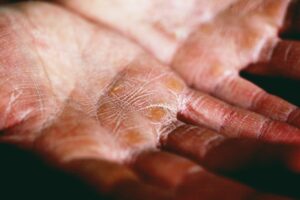
The intricate world of our skin, often perceived as a mere barrier against the external environment, is in reality a bustling ecosystem teeming with trillions of microorganisms. This complex community, known as the skin microbiome, comprises bacteria, fungi, viruses, and other microbes that live on and within our skin. Far from being passive inhabitants, these microscopic residents play a pivotal role in maintaining skin health. For individuals grappling with eczema, a chronic inflammatory skin condition characterized by dry, itchy, and inflamed patches, understanding this delicate microbial balance has emerged as a cornerstone of effective management and relief.
The traditional approach to eczema management has largely focused on managing symptoms, primarily through topical corticosteroids and emollients to reduce inflammation and irritation. While these treatments offer temporary respite, they often fall short of addressing the underlying causes that contribute to the condition’s chronic nature. Emerging research is increasingly highlighting the profound connection between the skin microbiome and eczema, opening up exciting new avenues for more comprehensive and potentially curative therapies. This paradigm shift underscores the importance of viewing eczema not just as a skin disease, but as a complex interplay between our immune system, our genetic predisposition, and the microbial communities that call our skin home. By delving into the science of the skin microbiome, we can unlock powerful strategies to not only alleviate the discomfort of eczema but also to foster long-term skin resilience.
The Disrupted Ecosystem: Eczema and an Unbalanced Skin Microbiome
Eczema, scientifically known as atopic dermatitis, is a multifaceted condition with a significant underlying immunological component. However, a growing body of evidence points to a fundamental disruption in the skin’s microbial landscape as a key contributor to its development and exacerbation. In healthy skin, a diverse and balanced community of microorganisms coexists harmoniously, performing vital functions that protect and nurture the skin. This microbial equilibrium is essential for maintaining the skin barrier’s integrity, modulating the immune response, and defending against pathogenic invaders.
Dysbiosis: The Hallmarks of Eczema Microbiome
When this balance is disturbed, a state known as dysbiosis occurs. In the context of eczema, dysbiosis is frequently characterized by a significant reduction in the abundance and diversity of beneficial bacteria, particularly those belonging to the Staphylococcus genus, such as Staphylococcus epidermidis. Concurrently, there is often an overgrowth of potentially pathogenic bacteria, most notably Staphylococcus aureus. This shift in microbial composition creates a fertile ground for inflammation and further compromises the already weakened skin barrier, perpetuating the vicious cycle of itching, scratching, and infection that defines eczema.
The Role of Staphylococcus aureus
Staphylococcus aureus is a common inhabitant of the human skin, but in individuals with eczema, it can proliferate to alarming levels. This opportunistic pathogen produces a range of toxins and enzymes that directly irritate the skin, trigger inflammatory pathways, and disrupt the epidermal barrier. The presence of high levels of S. aureus is often correlated with the severity of eczema symptoms, and its colonization can lead to secondary infections, further complicating the condition. Understanding precisely how S. aureus contributes to the inflammatory cascade is crucial for developing targeted interventions.
The Missing Beneficials: Loss of Protective Microbes
The reduction in beneficial bacteria, such as S. epidermidis, is equally significant. These microbes actively compete with pathogenic bacteria for resources and attachment sites on the skin, thereby naturally limiting the growth of harmful species. Furthermore, certain beneficial bacteria produce antimicrobial compounds and help regulate the skin’s immune responses, promoting a calmer and less reactive environment. Their absence leaves the skin vulnerable to colonization by pathogens and contributes to the heightened inflammatory state observed in eczema. The mechanisms by which these beneficial bacteria exert their protective effects are a subject of intense research.
The Skin Barrier’s Compromise
The skin’s barrier function is paramount in preventing the entry of allergens and irritants and in retaining moisture. In eczema, this barrier is inherently compromised due to genetic factors and environmental influences. Dysbiosis exacerbates this compromise. The overgrowth of S. aureus can directly damage the skin barrier by producing enzymes that degrade structural proteins. Moreover, the inflammatory processes triggered by microbial imbalance lead to increased transepidermal water loss, making the skin drier and more susceptible to irritation and itching. This creates a vicious cycle where scratching, driven by itching, further damages the barrier, allowing more pathogens to enter and exacerbating dysbiosis.
Mechanisms of Microbiome Impact on Eczema Symptoms
The skin microbiome influences eczema symptoms through a variety of intricate mechanisms, impacting both the local skin environment and the systemic immune responses. Understanding these intricate interactions is key to developing effective strategies for symptom management. The skin is not merely a passive recipient of microbial colonization; it actively communicates with its resident microbes, and this dialogue is significantly altered in eczema.
Immune System Modulation
The skin microbiome plays a crucial role in educating and calibrating the developing immune system. In early life, exposure to a diverse range of microbes helps train immune cells to distinguish between harmless commensals and dangerous pathogens. In eczema, the altered microbial composition may lead to a dysregulated immune response, characterized by an overactive inflammatory reaction to common allergens and irritants. Specifically, the imbalance in microbial signals can predispose the immune system to a T-helper 2 (Th2) dominant response, which is a hallmark of allergic diseases like eczema.
T-Helper Cell Imbalance
T-helper cells are critical components of the adaptive immune system, orchestrating specific immune responses. In healthy individuals, there is a balance between different types of T-helper cells, including Th1 and Th2 cells. In eczema, there is a pronounced skewing towards Th2 cells, which are associated with allergic inflammation and the production of IgE antibodies. The altered microbial landscape in eczema can promote this Th2 polarization by providing specific molecular signals that favor the differentiation of T-helper cells into this inflammatory subset.
Production of Metabolites and Their Effects
The microorganisms residing on our skin are not just passive bystanders; they are also active metabolic factories. They produce a wide array of metabolites, including short-chain fatty acids (SCFAs), lipids, and other signaling molecules, which can have profound effects on the host’s skin health and immune system. In a balanced microbiome, these metabolites can promote skin barrier function, reduce inflammation, and enhance the skin’s defense mechanisms.
Short-Chain Fatty Acids and Their Protective Role
Short-chain fatty acids, such as butyrate and acetate, are produced by the fermentation of dietary fibers by beneficial bacteria in the gut, and to some extent, by commensal bacteria on the skin. These SCFAs have potent anti-inflammatory properties. They can modulate immune cell function, strengthen the skin barrier by promoting the production of ceramides, and inhibit the growth of pathogens. In eczema, the reduced abundance of SCFA-producing bacteria leads to a deficit in these beneficial metabolites, contributing to increased inflammation and compromised barrier function.
Direct Impact on Skin Barrier Function
The skin barrier is the first line of defense against external aggressors. A healthy skin microbiome contributes to maintaining barrier integrity by stimulating the production of lipids like ceramides, which are crucial for sealing the skin and preventing water loss. Conversely, dysbiosis, particularly the overgrowth of S. aureus, can directly damage the skin barrier. S. aureus can produce proteases and lipases that degrade the structural components of the epidermis, leading to increased permeability and moisture loss.
Harnessing the Power of the Skin Microbiome for Eczema Relief
The understanding of the skin microbiome’s role in eczema has opened up exciting therapeutic avenues aimed at restoring microbial balance and thereby alleviating symptoms. These approaches move beyond simply managing inflammation and instead target the root causes of microbial dysregulation. For more information, you can listen to the Genomics Podcast on Eczema and the Human Skin Microbiome here.
Probiotic and Prebiotic Interventions
Probiotics are live microorganisms that, when administered in adequate amounts, confer a health benefit on the host.
Prebiotics are non-digestible food ingredients that selectively stimulate the growth and/or activity of beneficial bacteria already present in the gut or on the skin. The application of topical probiotics and prebiotics, or their oral administration, can help re-establish a healthier microbial balance on the skin.
Topical Probiotics for Skin Application
Researchers are exploring the use of topical probiotic formulations containing beneficial bacteria like Lactobacillus species or Bifidobacterium species. These bacteria can directly colonize the skin and compete with pathogens, produce antimicrobial substances, and modulate immune responses.
Early studies have shown promising results in reducing eczema severity and improving skin barrier function.
Prebiotics to Nourish Beneficial Microbes
Prebiotics, such as certain oligosaccharides, can be used to selectively promote the growth of beneficial bacteria on the skin. By providing a food source for these desired microbes, prebiotics can help enhance their abundance and activity, leading to a more balanced microbiome. These can be incorporated into topical creams and lotions.
Fecal Microbiota Transplantation (FMT) – A Controversial but Promising Avenue
While more common for gut-related disorders, fecal microbiota transplantation (FMT) is an experimental therapy that involves transferring fecal matter from a healthy donor to a recipient to restore a healthy gut microbiome.
There is emerging interest in exploring FMT for eczema, particularly when gut dysbiosis is suspected to contribute to systemic inflammation. However, this is a highly invasive procedure and its efficacy and safety for eczema are still under investigation.
Phage Therapy: Targeting Specific Pathogens
Bacteriophage (phage) therapy utilizes viruses that specifically infect and kill bacteria. In the context of eczema, phages that target Staphylococcus aureus could potentially be used to selectively reduce the population of this problematic pathogen without harming beneficial bacteria.
This targeted approach offers an alternative to broad-spectrum antibiotics, which can further disrupt the microbiome.
The Potential of Microbiome-based Therapies for Eczema Management
| Study | Findings |
|---|---|
| Study 1 | Microbiome-based therapy showed significant improvement in eczema symptoms |
| Study 2 | Probiotics reduced the severity and frequency of eczema flare-ups |
| Study 3 | Fecal microbiota transplantation resulted in long-term remission of eczema |
The concept of microbiome-based therapies for eczema is rapidly evolving, offering a future where treatments are more personalized and effective. These therapies aim to directly manipulate the skin’s microbial ecosystem to restore health and resilience.
Personalized Microbiome Profiling and Therapies
As our understanding of the skin microbiome grows, so does the potential for personalized treatment approaches. By analyzing an individual’s unique skin microbiome profile, clinicians could tailor interventions specifically to their microbial imbalances. This might involve recommending specific probiotic strains, dietary changes to promote beneficial bacteria, or even topical applications designed to supplement missing microbial species.
Modulating Microbial Metabolites
Beyond directly introducing microbes, therapies could focus on modulating the production of beneficial metabolites. This could involve developing topical formulations that deliver pre-synthesized SCFAs or other beneficial compounds produced by healthy skin microbes. Such approaches could offer a more direct way to harness the protective effects of the microbiome without direct microbial transplantation.
Enhancing Skin Barrier Function Through Microbial Support
Microbiome-focused therapies can aim to rebuild and strengthen the skin barrier by supporting the microbes responsible for its integrity. This could involve using ingredients that promote the growth of ceramide-producing bacteria or that directly deliver lipids essential for barrier function and are produced by beneficial microbes.
Balancing the Skin Microbiome to Alleviate Eczema Symptoms

Achieving a state of microbial balance on the skin is a multifaceted goal in managing eczema. This involves not only introducing beneficial microbes but also reducing the prevalence of harmful ones and fostering an environment conducive to a thriving, diverse microbial community.
Diet and Lifestyle Modifications
While the direct impact of diet on the skin microbiome is an area of active research, it is well-established that gut microbiome balance influences systemic inflammation, which in turn can affect eczema. Consuming a diet rich in fiber and fermented foods can promote a healthy gut microbiome, which may have downstream beneficial effects on the skin. Lifestyle factors such as stress management and adequate sleep also play a role in immune regulation and can indirectly influence the skin microbiome.
Avoiding Microbiome Disruptors
Certain everyday products and practices can inadvertently harm the skin microbiome. Harsh soaps and cleansers that strip the skin of its natural oils can disrupt the microbial balance. Overuse of antibiotics, both topical and oral, can decimate beneficial bacterial populations, creating opportunities for pathogens to flourish. Identifying and minimizing exposure to these disruptors is an important aspect of microbiome-conscious eczema management. Gentle cleansing routines and judicious use of antimicrobial agents are key.
The Role of Emollients and Moisturizers
While often used for their barrier-replenishing properties, emollients and moisturizers can also indirectly support a healthy microbiome. By preventing excessive dryness and cracking of the skin, they create a less hospitable environment for pathogens and can help maintain the integrity of the skin’s natural defenses. Some advanced formulations are even being developed to incorporate prebiotics or beneficial bacteria.
Integrating Microbiome Research into Eczema Treatment Strategies
The integration of microbiome research into mainstream eczema treatment strategies represents a significant shift in how we approach this complex condition. It calls for a comprehensive understanding that goes beyond symptom suppression to address the underlying microbial dysregulation.
Shifting Treatment Paradigms
The future of eczema treatment will likely involve a combined approach, integrating conventional therapies with microbiome-targeted interventions. This could mean using corticosteroids to quell acute inflammation while simultaneously employing probiotics or prebiotics to restore microbial balance and prevent future flares. The goal is to move towards more sustainable and effective management.
The Dawn of Precision Medicine for Eczema
Microbiome profiling can pave the way for true precision medicine in eczema. Instead of a one-size-fits-all approach, treatments can be tailored to the individual’s specific microbial signature and immune profile. This personalized approach promises greater efficacy and fewer side effects.
Future Research Directions
Further research is crucial to fully elucidate the complex interactions between the skin microbiome, the immune system, and eczema. Areas of focus include identifying specific microbial strains with therapeutic potential, understanding the optimal timing and duration of microbiome interventions, and developing reliable methods for monitoring microbiome changes in response to treatment. Ultimately, continued exploration into the world of our skin’s microscopic inhabitants holds the key to unlocking more effective and lasting relief for those suffering from eczema.