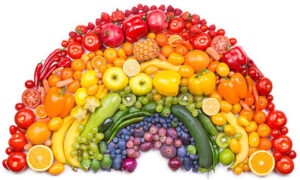
Cancer prevention is a lifestyle
While the American Cancer Society’s standard guidelines—no smoking, regular exercise, and caloric control—provide a vital baseline, they treat the human body largely as a thermodynamic machine: energy in versus energy out. This approach leaves a significant gap in the narrative: food is information to your body and the biochemical quality of calories must be considered when “eating healthy”.
Phytonutrients fight inflammation
Obesity is a known driver for 12 types of cancer because adipose tissue (fat) is not just stored energy; it is an active endocrine organ that produces inflammatory cytokines. This is where the “calories only” argument falters. You can be “thin” but still internally inflamed.
Phytonutrients—the bioactive compounds found in plants—provide the counter-balance to this systemic inflammation through several critical mechanisms:
Epigenetic Modulation: Certain compounds in cruciferous vegetables (like sulforaphane) and green tea (EGCG) can actually influence gene expression, “turning off” oncogenes that promote tumor growth and “turning on” tumor-suppressor genes.
Xenobiotic Metabolism: Our environment is saturated with xenobiotics—synthetic chemical compounds like plastics and pesticides. Phytonutrients induce Phase II detoxification enzymes in the liver, which neutralize these toxins before they can bond to and mutate our DNA.
Mitigating Oxidative Stress: Beyond just “quenching” free radicals, these nutrients support the body’s endogenous antioxidant systems, creating a robust defense against the genomic instability that precedes malignancy.
A Call for "Nutritional Intelligence"
The shift we need from the American Cancer Society is a move toward Nutritional Intelligence. It is no longer enough to suggest “eating less.” We must advocate for eating clean sources of phytonutrient.
A diet dense in whole vegetables, fruits, nuts, and seeds is not merely a weight-loss strategy; it is a sophisticated form of biological information. These foods provide the chemical signals necessary for the body to maintain cellular homeostasis. As research continues to unveil the intricate dance between diet and the genome, the medical establishment must prioritize the nutrient-to-calorie ratio as a primary metric for cancer prevention.