Feeling unwell but can’t pinpoint why? You might be dealing with something less obvious than a common cold: mold mycotoxins. These invisible compounds produced by certain molds can sneak into our bodies and mess with our health in surprising ways. Understanding what they are and how to address them is a crucial step towards feeling your best.
What Are Mold Mycotoxins and How Do They Affect Your Health?
Mold isn’t just about fuzzy stuff on the wall. When mold grows, especially in damp environments like bathrooms or basements, it can release microscopic toxins called mycotoxins. Think of them as the mold’s waste product, and unfortunately, they can be quite potent. People are often exposed to these mycotoxins through inhaling them in the air, consuming contaminated food (like grains, nuts, or coffee that have been stored improperly), or even through skin contact.
The way mycotoxins affect your health can be quite varied. Many people report experiencing “brain fog,” fatigue that doesn’t go away, recurring headaches, or skin issues. Some might notice digestive problems, while others experience more general feelings of malaise or anxiety. The specific symptoms really depend on the type of mycotoxin, the amount of exposure, and an individual’s own susceptibility. It’s not always dramatic, but rather a slow erosion of well-being that can leave you feeling off your game.
Different Types of Mycotoxins
There are many different kinds of mycotoxins, and they come from different types of mold. Some of the most commonly discussed include:
Ochratoxins:
These are frequently found in grains, coffee, and dried fruits. They’re known for their potential to affect kidney function over time.
Aflatoxins:
Often encountered in corn, peanuts, and other agricultural products. Aflatoxins are some of the more potent mycotoxins and are recognized for their liver toxicity.
Trichothecenes:
These are produced by a variety of molds and can be found in grains, corn, and hay. They are known for their ability to interfere with cellular processes.
Zearalenone:
Commonly found in corn, this mycotoxin is structurally similar to estrogen and can disrupt hormone balance.
How Mycotoxins Enter and Impact the Body
When you’re exposed to mycotoxins, they can be absorbed into your bloodstream through your lungs, digestive tract, or skin. Once inside, they can travel to various organs and tissues. Their chemical structure allows them to interfere with essential cellular functions, leading to the symptoms many people experience. It’s a bit like a saboteur disrupting the complex machinery of your body.
The Role of Mycotoxins in Disrupting Mitochondrial Function
This is where things get a bit more technical, but it’s crucial for understanding why you might feel so drained. Mitochondria are often called the “powerhouses” of our cells. They’re responsible for generating the energy your body needs to function, from your brain thinking to your muscles moving. Mycotoxins are particularly adept at damaging these vital organelles.
Mitochondria: The Powerhouses of Your Cells
Every cell in your body, except for red blood cells, has mitochondria. The more energy a cell needs, the more mitochondria it contains. For example, your brain and muscle cells are packed with them. Their job is to take the food you eat and the air you breathe and convert them into ATP, the primary energy currency of your cells. Without healthy mitochondria, everything slows down.
How Mycotoxins Damage Mitochondria
Mycotoxins can attack mitochondria in several ways. They can directly damage the mitochondrial membrane, impairing its ability to function properly. They can also interfere with the electron transport chain, which is a key process in energy production. This disruption leads to a decrease in ATP production, leaving your cells starved for energy. Additionally, mycotoxin exposure can increase oxidative stress within the mitochondria, creating harmful free radicals that cause further damage. This can create a vicious cycle of energy depletion and cellular damage.
Oxidative Stress and Mitochondrial Damage
When mitochondria are damaged, they can produce an excess of reactive oxygen species (ROS), also known as free radicals. While some ROS are normal byproducts of metabolism, too many can overwhelm your body’s antioxidant defenses. This imbalance is called oxidative stress, and it’s like rust attacking metal on a cellular level. Mycotoxins can exacerbate this by both increasing ROS production and hindering your body’s ability to neutralize them.
Consequences of Impaired Mitochondrial Function
When your mitochondria aren’t working efficiently, the consequences can be widespread. This is why problems like chronic fatigue, cognitive issues (brain fog, memory problems), muscle weakness, and even mood disturbances are often linked to mycotoxin exposure. If the “powerhouses” are struggling, the entire system suffers.
Understanding the Importance of Detoxing for Optimal Wellness
Given how mycotoxins can infiltrate and disrupt our bodies, it makes sense that removing them could lead to feeling significantly better. Detoxification, in this context, isn’t about extreme cleanses, but rather supporting your body’s natural ability to eliminate these harmful substances. If you want to learn more about mycotoxin treatment, you can visit this link.
What is “Detox” in this Context?
When we talk about detoxing from mold mycotoxins, we’re referring to the process of helping your body clear these toxins from your system.
Your liver is your primary detoxification organ, and it has sophisticated pathways to break down and eliminate various compounds. However, when overwhelmed by a significant mycotoxin burden, these pathways can become sluggish or compromised. Detoxification strategies aim to reduce the exposure and enhance these natural elimination processes.
The Link Between Mycotoxins and Chronic Illness
Many chronic health conditions, from autoimmune disorders to neurological issues and persistent fatigue, have been observed in individuals with significant mycotoxin exposure.
While mycotoxins aren’t the sole cause of these conditions, they can be a significant contributing factor, exacerbating underlying issues or even triggering them in susceptible individuals. Addressing the mycotoxin load can be a crucial piece of the puzzle for regaining health.
Benefits of Reducing Mycotoxin Burden
Successfully reducing the mycotoxin load in your body can lead to a cascade of positive changes. People often report increased energy levels, sharper mental clarity, improved mood, better sleep, and a reduction in inflammatory symptoms.
It’s about feeling more robust and resilient, allowing your body to function at its optimal capacity.
How Mycotoxins Impact Your Body’s Detoxification Pathways
| Mycotoxin Type | Impact on Detoxification Pathways |
|---|---|
| Aflatoxins | Inhibit phase I and phase II detoxification enzymes, leading to accumulation of toxins in the body |
| Ochratoxin A | Disrupts mitochondrial function and impairs antioxidant defense systems, affecting detoxification |
| Zearalenone | Interferes with estrogen metabolism and detoxification processes in the liver |
| Fumonisins | Disrupt sphingolipid metabolism and impair detoxification pathways in the liver |
Your body has amazing built-in systems to deal with toxins, and your liver is the star player. This process involves several phases, and mycotoxins can interfere at multiple points.
The Liver’s Role in Detoxification
The liver’s detoxification process is generally divided into two main phases. Phase I enzymes, like cytochrome P450 enzymes, modify toxins to make them more water-soluble and ready for Phase Phase II enzymes then conjugate (attach) these modified toxins with other molecules, making them even more water-soluble and easier for the body to excrete, primarily through bile (which is eliminated in stool) or urine.
Mycotoxins Interfering with Phase I and Phase II Detoxification
Mycotoxins can wreak havoc on these delicate processes. Some mycotoxins can actually inhibit the activity of Phase I enzymes, slowing down the initial breakdown of toxins. Others can overstimulate Phase I enzymes, leading to an overload of intermediate metabolites that are paradoxically more toxic than the original compound. Mycotoxins can also impair Phase II conjugation pathways, meaning the toxins remain in a less excretable form, potentially leading to their accumulation in tissues. This can be particularly frustrating because your body is trying to do its job, but the mycotoxins are actively hindering it.
Glutathione Depletion: A Key Suspect
Glutathione is a master antioxidant and a critical player in Phase II detoxification. It’s used to bind to many toxins, including mycotoxins, preparing them for excretion. Mycotoxin exposure can significantly deplete your body’s glutathione stores, leaving you less able to detoxify yourself. This is a major reason why supplementing with glutathione precursors can be beneficial.
The Gut-Liver Axis and Mycotoxin Reabsorption
Your gut plays a surprisingly large role in detoxification. When the liver processes toxins and packages them into bile, this bile is released into the small intestine. Normally, the toxins within the bile are eliminated in the stool. However, certain compounds, including some mycotoxins, can be reabsorbed back into the bloodstream from the gut. This “enterohepatic recirculation” can keep toxins circulating in your body for longer, increasing their overall impact.
Strategies for Detoxing from Mold Mycotoxins and Supporting Mitochondrial Function
So, what can you actually do to help your body clear these compounds and get your energy back? It’s a multi-pronged approach that involves reducing exposure, supporting your detox pathways, and giving your mitochondria some love.
Environmental Remediation: The First Line of Defense
The most important step is to stop the influx of mycotoxins. This means identifying and addressing any mold issues in your living and working environments.
Identifying and Eliminating Mold Sources
This can involve visual inspections for mold growth, using mold test kits, or hiring a professional mold inspector. Once mold is found, it needs to be remediated properly. This isn’t just about wiping it away with bleach; it often requires professional removal to ensure all spores and mycotoxins are safely eliminated.
Air Filtration and Purification
Using high-quality air purifiers with HEPA filters and activated carbon can help remove airborne mold spores and mycotoxins from your indoor air. Maintaining good ventilation can also be beneficial.
Nutritional Support for Detoxification
What you eat plays a huge role in supporting or hindering your body’s ability to detoxify.
Foods that Support Liver Function
Focus on a diet rich in whole, unprocessed foods. Cruciferous vegetables like broccoli, cauliflower, and Brussels sprouts are particularly helpful as they contain compounds that support Phase II detoxification. Antioxidant-rich foods such as berries, leafy greens, and colorful vegetables provide the raw materials your body needs to combat oxidative stress.
Supplements to Aid Detoxification
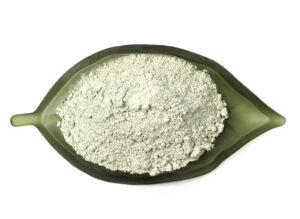
Certain supplements can offer targeted support. Activated charcoal or bentonite clay can bind to mycotoxins in the gut, preventing their reabsorption. N-acetylcysteine (NAC) is a precursor to glutathione, helping to replenish your body’s master antioxidant. Silymarin (from milk thistle) is another well-known liver support. Probiotics can also be helpful in supporting gut health and preventing mycotoxin reabsorption.
Supporting Mitochondrial Health
Because mycotoxins directly target mitochondria, it’s vital to support these energy powerhouses.
Antioxidants to Combat Oxidative Stress
Besides glutathione, providing your body with a good supply of other antioxidants is crucial. Vitamins C and E, selenium, and coenzyme Q10 (CoQ10) are all important for protecting mitochondria from free radical damage.
Nutritional Cofactors for Energy Production
Mitochondria need specific nutrients to function efficiently. B vitamins, magnesium, and alpha-lipoic acid are essential for the energy production pathways within the mitochondria. Ensuring adequate intake of these nutrients can help improve mitochondrial function.
Lifestyle Factors
Beyond diet and supplements, certain lifestyle choices can significantly impact your body’s ability to detoxify and thrive.
Stress Management Techniques
Chronic stress can impair your immune system and detoxification pathways. Incorporating practices like meditation, yoga, or deep breathing exercises can be very beneficial.
Adequate Sleep and Hydration
These are fundamental for cellular repair and waste elimination. Aim for 7-9 hours of quality sleep per night and drink plenty of filtered water throughout the day.
The Connection Between Mycotoxin Detoxification and Overall Wellness
When you consciously work to reduce your exposure to mycotoxins and support your body’s natural detoxification processes, something remarkable happens: you often start to feel better across the board. It’s not just one symptom that improves; it’s a general uplift in well-being.
Improved Energy and Cognitive Function
By freeing up your cells from the constant battle against mycotoxins and supporting your mitochondria, you’ll likely notice a significant boost in your energy levels. That persistent fatigue can start to lift, and the brain fog can dissipate, leading to improved focus, memory, and mental clarity.
Enhanced Immune System Function
A body burdened by mycotoxins has a harder time mounting an effective immune response. As you detoxify, your immune system can become more robust, making you less susceptible to infections and better equipped to handle inflammation.
Better Mood and Emotional Well-being
The connection between gut health, inflammation, and mood is well-established. By reducing the inflammatory load from mycotoxins and supporting your gut-brain axis, many people experience an improvement in mood, a reduction in anxiety, and a greater sense of emotional balance.
A Foundation for Long-Term Health
Ultimately, taking proactive steps to address mycotoxin exposure and support your body’s detoxification systems is an investment in your long-term health. It’s about creating a resilient body that can better withstand environmental challenges and function optimally for years to come. It’s a practical, holistic approach to feeling genuinely well.