Adult ADHD, often misunderstood, isn’t just about a lack of focus. It’s a complex neurodevelopmental condition that impacts executive functions – the brain’s control center for things like planning, organization, and emotional regulation. Many adults live for years without a diagnosis, attributing struggles to personal failings rather than a neurological difference. The good news is that with understanding and the right strategies, thriving with ADHD is absolutely achievable. This piece will explore practical approaches to managing symptoms, leveraging strengths, and creating a fulfilling life.
Understanding Adult ADHD: Beyond Childhood Hyperactivity
When people hear “ADHD,” they often picture a hyperactive child. But adult ADHD manifests differently and often presents unique challenges.
Symptoms and Challenges
Many adults with ADHD don’t experience overt hyperactivity. Instead, their struggles might appear as:
- Inattention: This isn’t just daydreaming. It can look like difficulty sustaining focus on tasks, easily getting sidetracked, missing details, or making careless mistakes. It’s the “I know I need to do this, but my brain keeps wandering” feeling.
- Impulsivity: This can lead to interrupting conversations, making hasty decisions, overspending, or acting without considering consequences. It’s that immediate urge to act on something, without the usual filter.
- Hyperactivity (Internalized): For adults, hyperactivity often internalizes. This might manifest as fidgeting, an internal restlessness, difficulty relaxing, or needing constant stimulation. It’s a buzzing energy under the surface.
- Emotional Dysregulation: This is a big one often overlooked. It includes intense mood swings, difficulty managing frustration, irritability, and sometimes, a heightened sensitivity to criticism. This can strain relationships and personal well-being.
- Organization and Time Management: Keeping track of appointments, prioritizing tasks, starting big projects, and estimating how long things will take are common hurdles. This isn’t laziness; it’s a genuine executive function challenge.
- Forgetfulness: Losing keys, forgetting important dates, or struggling to recall information even when you know it’s “in there” are common occurrences.
These symptoms aren’t just minor inconveniences; they can significantly impact careers, relationships, and self-esteem. The constant effort to keep up can be exhausting and lead to burnout.
Managing Adult ADHD: Practical Strategies for Daily Life
It’s important to remember that ADHD isn’t something you “fix,” but rather something you learn to manage effectively. This often involves developing habits and systems that work with your brain, not against it.
Improving Focus and Organization
Creating external structures can be incredibly helpful when internal ones are a bit wobbly.
- Externalize Your Brain: Don’t rely on memory. Use calendars, planners, sticky notes, and phone reminders for everything. If it’s not written down and placed somewhere you’ll actually see it, it might as well not exist. Experiment with digital tools or physical planners – what works for one person won’t work for another.
- Break It Down: Large tasks are overwhelming. Break them into smaller, manageable steps. Focus on just the very next step. “Write report” becomes “Open document,” “Outline main points,” “Write introduction,” etc.
- The Power of Timers: Time blindness is real for many with ADHD. Use timers for focused work bursts (like the Pomodoro Technique – 25 minutes on, 5 minutes off). Use them for transitions, too: “10 minutes left until we leave,” or “5 minutes to clean up before dinner.”
- Reduce Distractions: Identify your biggest culprits – phone notifications, a messy workspace, open tabs on your computer. Create a dedicated, clutter-free workspace if possible. Use noise-canceling headphones. Turn off notifications.
- “Do it Now” Principle (for small tasks): If something takes two minutes or less, do it immediately. This tackles the accumulation of small tasks that become overwhelming later. Sending that email, putting away that dish, replying to that text – just get it done.
- Establish Routines: While flexibility is good, consistent routines for morning, evening, and work can provide a scaffolding for your day, reducing the cognitive load of decision-making. Try to go to bed and wake up around the same time.
Nurturing Dopamine Levels for Better Functioning
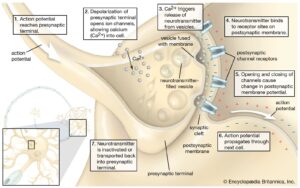
Dopamine, a neurotransmitter, plays a crucial role in motivation, reward, and pleasure. For people with ADHD, dopamine regulation can be a bit different, leading to a constant search for stimulation.
- Novelty and Challenge: Our brains crave newness. Incorporate learning new skills, trying a new hobby, or taking on interesting projects to provide positive stimulation.
- Movement and Exercise: Physical activity is a fantastic way to naturally boost dopamine. Even a short walk can make a difference. Find something you enjoy so it’s sustainable.
- Small Wins and Rewards: Structure your day to include achievable goals and small, immediate rewards. Finishing a difficult task? Take a five-minute break to listen to a favorite song or grab a nice drink. Acknowledging these wins, however small, can be very motivating.
- Interests and Hyperfocus: While hyperfocus can sometimes be a double-edged sword (making you lose track of time), it can also be harnessed. Dedicate time to activities you genuinely enjoy and where your hyperfocus can be an asset, whether that’s a creative pursuit or a deep dive into a topic of interest.
Creating a Supportive Environment: Beyond Personal Strategies
Your surroundings and relationships play a huge role in your ability to thrive. This isn’t just about what you do, but also about the context you create for yourself. Here are some natural ways to manage adult ADHD.
Finding Balance: Self-Care and Lifestyle Adjustments
| Self-Care Activity | Frequency | Duration |
|---|---|---|
| Exercise | 3 times a week | 30 minutes |
| Meditation | Everyday | 15 minutes |
| Reading | Everyday | 30 minutes |
| Socializing | Once a week | 2 hours |
Living with ADHD can be demanding. Self-care isn’t a luxury; it’s a necessity for sustained well-being and effective symptom management.
Self-Care Tips for Adults with ADHD
These are the things that keep your emotional and physical reserves topped up.
- Prioritize Downtime: Your brain needs breaks. Schedule non-negotiable downtime where you’re not trying to be productive. This could be reading, listening to music, or simply staring out the window.
- Connect with Others: Isolation can worsen ADHD symptoms and mood. Nurture your relationships with friends and family. Seek out communities (online or in-person) where you feel understood.
- Journaling: Writing down your thoughts and feelings can be a powerful emotional release and a way to gain clarity, helping to sort through the mental clutter.
- Saying No: Overcommitting is a common pitfall. Learn to gracefully decline requests or activities that will drain your energy or overwhelm your schedule. Protect your boundaries.
- Schedule Fun: Don’t just work through your to-do list. Actively plan for enjoyable activities. This provides a positive reward system and prevents burnout.
Building Healthy Habits: Exercise and Nutrition for Adult ADHD
Your physical health is intrinsically linked to your mental well-being, and optimizing it can significantly impact ADHD symptoms.
- Consistent Movement: Exercise isn’t just for physical fitness; it’s a potent medicine for the ADHD brain. It helps regulate dopamine, improves focus, reduces anxiety, and boosts mood. Find an activity you genuinely enjoy – walking, dancing, swimming, hiking, team sports – and try to incorporate it regularly. The key is consistency, even if it’s just 15-20 minutes daily.
- Mindful Eating: Pay attention to how different foods affect your energy levels and focus. While there’s no “ADHD diet,” a balanced diet rich in whole foods, lean proteins, healthy fats, and complex carbohydrates can provide stable energy and support brain function. Try to limit processed foods and excessive sugar, which can lead to energy crashes and worsen irritability.
- Stay Hydrated: Dehydration can contribute to fatigue, poor concentration, and headaches, all of which can mimic or exacerbate ADHD symptoms. Keep water readily available and aim to drink plenty throughout the day.
- Meal Planning (Simplified): For those with executive function challenges, planning meals can feel daunting. Start small. Perhaps just plan dinners for three days, or prepare an extra portion of a meal to have for lunch the next day. Small steps here can prevent impulse eating or reliance on takeout, which might not be as nourishing.
Overcoming Obstacles: Coping with Rejection Sensitivity Dysphoria
Many adults with ADHD experience something called Rejection Sensitivity Dysphoria (RSD), an intense emotional pain response to real or perceived criticism, teasing, or rejection. This isn’t just being “sensitive”; it’s a powerful and often debilitating reaction.
Strategies for Managing RSD
Understanding and addressing RSD is crucial for emotional well-being.
- Acknowledge and Validate: The first step is to recognize that this isn’t just “overthinking.” It’s a real and often painful experience. Validate your feelings rather than dismissing them.
- Delay Your Reaction: When you feel that surge of intense pain or anger, try to pause before reacting. Take a deep breath. Count to ten. Remember that initial emotional surge is likely RSD kicking in.
- Seek Clarification: If you’re unsure if something was meant as criticism, ask for clarification in a calm manner. “I heard you say X, and I’m feeling a bit sensitive about it. Could you explain what you meant?”
- Reframe Your Thoughts: Challenge the automatic negative thoughts that often accompany RSD. Are you catastrophizing? Is there another way to interpret the situation? Practice catching those thoughts and gently redirecting them.
- Build a Strong Support System: Surround yourself with people who understand you and offer unconditional support. Having people who can offer reassurance and perspective is invaluable.
- Self-Compassion: Be kind to yourself. Living with ADHD and RSD is challenging. Treat yourself with the same understanding and empathy you’d offer a friend.
Seeking Professional Help: When to Reach Out
While many strategies can be implemented independently, sometimes professional guidance is essential for optimal management.
Therapy and Medication for Adult ADHD
These are not signs of failure but powerful tools for success.
- Diagnosis and Assessment: A formal diagnosis from a qualified professional (psychiatrist, psychologist, or neurodevelopmental specialist) can be life-changing. It provides clarity, validation, and access to appropriate treatments.
- ADHD Coaching: An ADHD coach specializes in helping individuals develop executive function skills, set goals, and implement practical strategies for daily life. They can offer personalized support and accountability.
- Cognitive Behavioral Therapy (CBT): CBT can help individuals with ADHD identify and change negative thought patterns, manage emotional dysregulation, improve organizational skills, and develop coping mechanisms for challenges like RSD.
- Medication: For many, stimulant or non-stimulant medications are highly effective in managing core ADHD symptoms by improving the brain’s ability to regulate dopamine and norepinephrine. This can lead to significant improvements in focus, impulsivity, and emotional regulation. It’s not a cure but can create a stable baseline from which other strategies become more effective. Work closely with a psychiatrist to find the right medication and dosage.
- Family Therapy/Couples Counseling: ADHD can impact relationships. Therapy can help partners and family members understand ADHD, improve communication, and develop strategies for navigating challenges together.
Embracing Your Strengths: Harnessing Creativity and Energy
Living with ADHD isn’t just about managing deficits; it’s also about recognizing and leveraging unique strengths.
Harnessing Creativity and Energy in Adult ADHD
Often, the very traits that make ADHD challenging also make individuals with ADHD exceptionally innovative and dynamic.
- Creative Thinking: Many individuals with ADHD possess a remarkable ability to think outside the box, connect disparate ideas, and generate novel solutions. This often manifests in artistic pursuits, entrepreneurial ventures, or innovative problem-solving in various fields.
- Hyperfocus (Applied Strategically): When an interest truly captures your attention, your ability to hyperfocus can become a superpower. You can dive deep into a topic, mastering it quickly and producing incredibly detailed or complex work. Identify areas where this can be an asset.
- Energy and Drive: That restless energy can be channeled into productive activities. Many with ADHD are driven, passionate, and willing to work tirelessly on projects they care deeply about.
- Resilience and Adaptability: Having navigated challenges throughout life, many adults with ADHD develop incredible resilience, a “can-do” attitude, and an ability to adapt quickly to changing circumstances.
- Intuition and Spontaneity: Often, individuals with ADHD have strong intuition and a willingness to be spontaneous. This can lead to exciting opportunities and a vibrant, less rigid approach to life.
- Embrace Your Uniqueness: Don’t try to be someone you’re not. Understanding and accepting your ADHD for what it is – a neurobiological difference with both challenges and unique gifts – is the ultimate step towards thriving. Focus on building systems and environments that allow you to lean into your strengths while mitigating your challenges.
Thriving with adult ADHD is a journey of self-discovery, learning, and strategic implementation. It’s about moving from a place of struggle and self-blame to one of understanding, effective management, and ultimately, embracing your unique brain. With the right tools, support, and a compassionate approach, a rich and fulfilling life is absolutely within reach.